
About Stagl Organics, a six-acre farm in Monroe, Utah
Stagl Organics is a six-acre farm in Monroe, Utah, growing seasonal vegetables, culinary herbs, cut flowers and berries with organic and regenerative practices. Founder Shad Stagl is pursuing organic certification for the coming season and sells through CSA memberships, farming with compost-based fertility, cover crops, planned rotation and reduced tillage to build soil health year over year.
I started farming organically in Salt Lake City ten years ago, on rented ground. Those seasons taught me the thing this farm is still built on: healthy food starts with healthy soil, and a local farm can become the center of a community. I grew vegetables, fruit, herbs and flowers for families, chefs, market customers and small businesses, and learned the work by doing it.
When the land I had been farming sold, it became clear that Stagl Organics needed ground of its own. Today the farm has a permanent home on six acres in Monroe. Owning it changes what is possible: we can invest in soil, water and perennial plantings on a timeline leased ground never allowed, and every year we manage this place it should end up measurably better than the year before.
The longer plan is a whole farm where each piece feeds the others: an orchard and berry plantings coming into bearing, a nursery of native and drought-tolerant plants, a pair of Miniature Jersey cows whose compost goes back onto the fields, ground-mounted solar, and a working classroom for people who want to learn this trade. It gets built one season at a time.
How do we farm?
Stagl Organics grows using only organic and regenerative approved practices, and is pursuing organic certification for the coming season. Fertility comes from compost rather than synthetic inputs. Beds are rotated and cover-cropped between cash crops, tillage is kept to a minimum so soil biology stays intact, and pests are managed by scouting and integrated pest management instead of a spray calendar. Irrigation is efficient and metered, and rainwater is captured where the ground allows.
Compost-based fertility
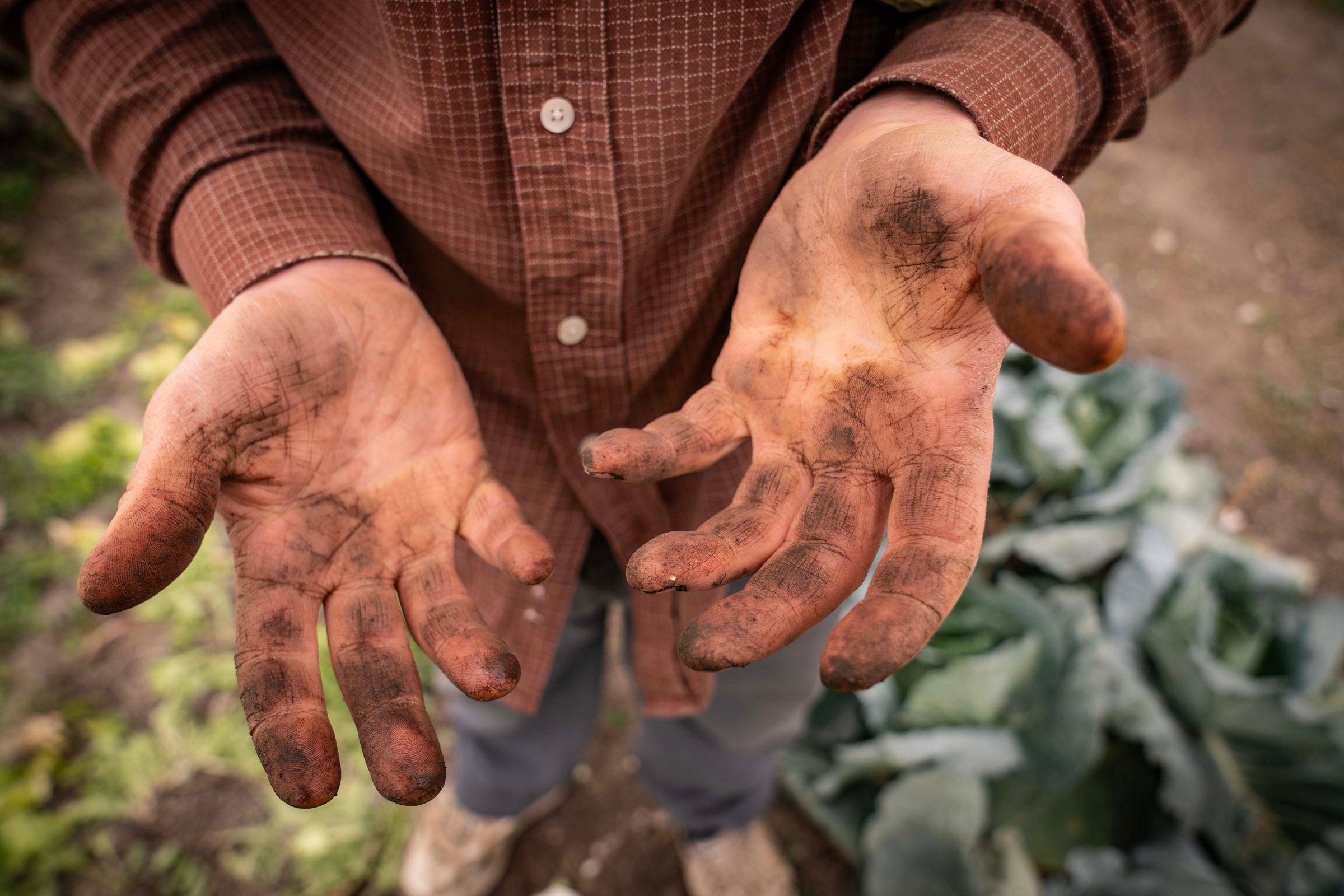
Fertility here starts with compost, not a bag. Finished compost and cover crops feed the soil biology that in turn feeds the crop, and organic matter climbs a little every season. Soil with more organic matter holds more water, which counts for a great deal in central Utah.
Pursuing organic certification
The farm grows using only practices approved for organic production. Crops go in without synthetic pesticides or fertilizers, and every input is checked against the National Organic Program list before it goes in the ground. Certification is the next step, and Shad is pursuing it for the coming season.
Reduced tillage and crop rotation
Beds get worked as little as the crop will allow, so the fungal networks and soil structure built in one season carry into the next. Crops move through a planned rotation, which breaks pest and disease cycles and keeps a single plant family from stripping the same nutrients twice.

Another way to help
There are a lot of expenses in starting a farm. If you are not able to join the CSA this season, please consider donating to help make this vision come to life.
Donate on GoFundMe